Understanding Real Estate Development
Definition and Importance of Real Estate Development
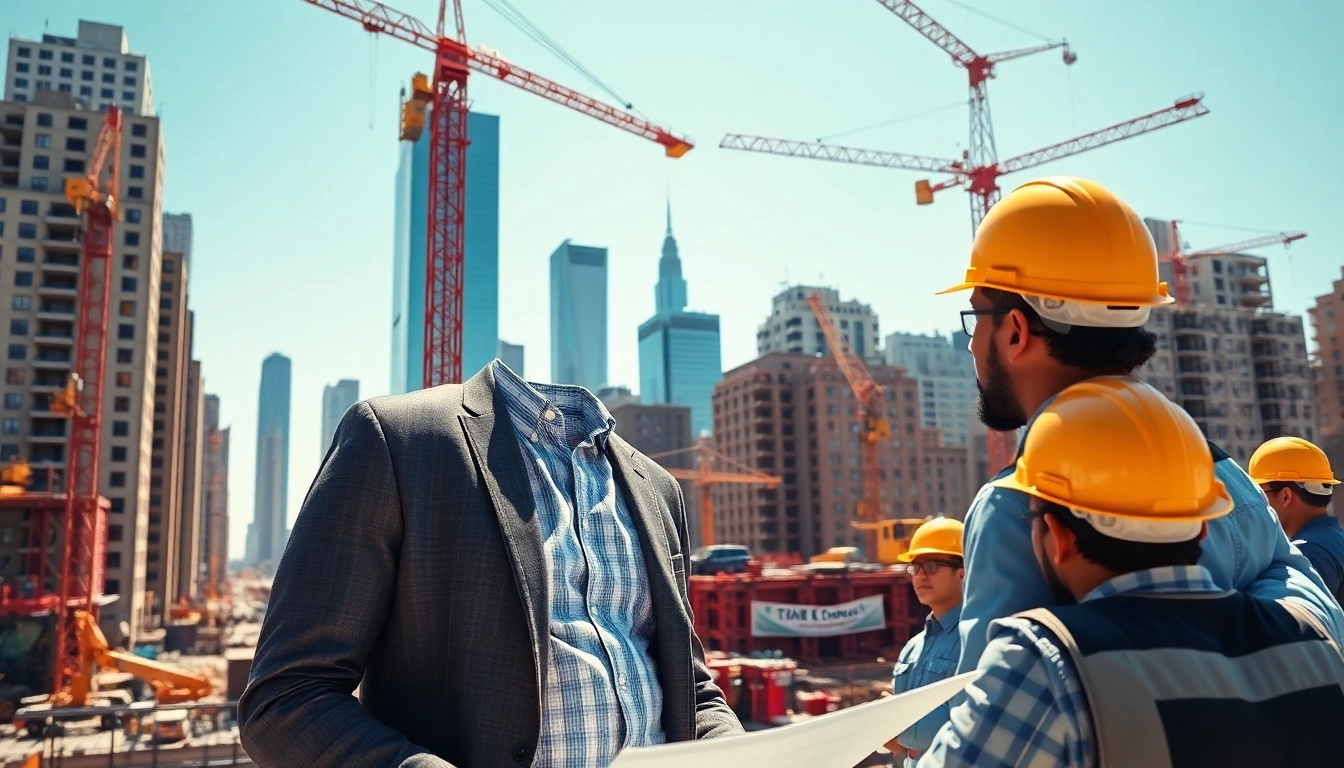
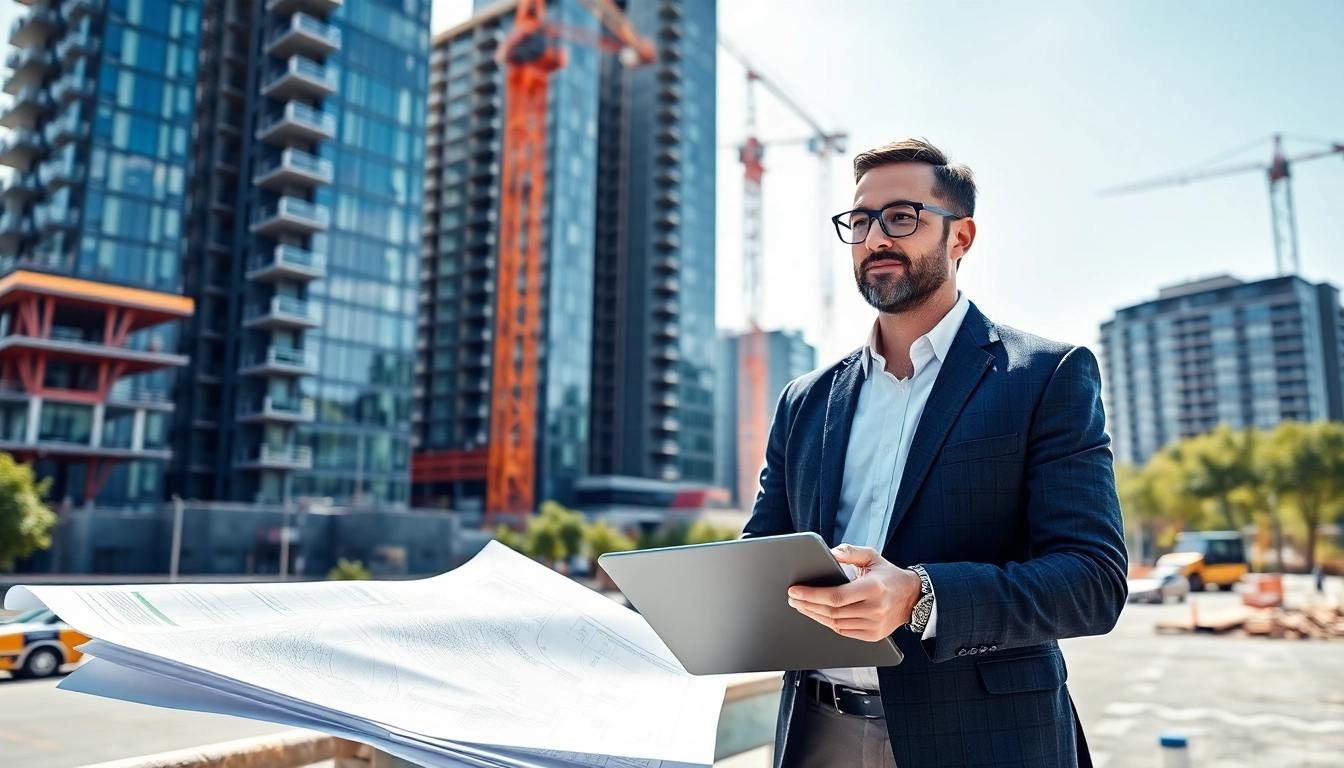
Real estate development is a multifaceted process that encompasses acquiring land or existing properties, improving them through effective planning and construction, and ultimately selling or leasing these assets for profit. This process is crucial for the growth and evolution of urban landscapes, as it contributes to the creation of residential, commercial, and mixed-use spaces that cater to the needs of diverse communities. The importance of real estate development lies not just in economic returns but also in its ability to enhance the functionality and aesthetic appeal of neighborhoods. It fosters job creation, community development, and improved living standards, making it a pivotal element in regional and national economic strategies.
Key Elements of the Development Process
The real estate development process consists of several key elements, each critical to the project’s success:
- Concept Development: This initial stage involves creating a vision for the project, determining the type of development, and conducting preliminary market research.
- Site Selection: Identifying suitable land or properties based on location, zoning, and potential for growth.
- Feasibility Analysis: Assessing financial viability through cost estimation, budget planning, and ROI analysis.
- Financing: Securing funding through loans, investor capital, or public grants.
- Design and Planning: Collaborating with architects and planners to design a project that meets regulatory requirements and market needs.
- Construction: Overseeing the building process while managing contracts, labor, and materials.
- Marketing and Leasing: Strategies to attract tenants or buyers to the developed properties.
The Role of Market Research in Real Estate Development
Market research is a cornerstone of real estate development, informing every stage of the process from concept through execution. Developers utilize data analytics to understand market trends, assess demand, and identify potential target demographics. This research helps in predicting future growth areas, determining competitive pricing strategies, and making informed decisions about amenities and designs that enhance marketability. Moreover, thorough market research assists in risk management by providing insights into economic indicators, demographic shifts, and potentially emerging neighborhoods.
Phases of Real Estate Development
Pre-Development Phase: Planning and Zoning
The pre-development phase is where groundwork is laid for a successful project. This includes comprehensive planning, which involves site assessments, environmental impact studies, and public consultation. Zoning regulations must also be carefully examined to ensure compliance, as deviations can lead to costly delays or modifications. This phase often determines the feasibility of the project and influences design choices. Engaging with local governments and stakeholders can foster support and streamline the approval process.
Construction Phase: Overseeing Development
During the construction phase, the project transitions from planning to physical execution. Developers must coordinate various contractors, manage budgets, and adhere to timelines while ensuring adherence to building codes and safety regulations. Effective communication between architects, engineers, and construction teams helps mitigate risks and resolve problems promptly. Key performance indicators such as schedule adherence, budget management, and quality assurance are crucial for monitoring progress during this phase.
Post-Development Phase: Marketing and Sales
The final phase of real estate development focuses on bringing the completed project to market. This involves creating a comprehensive marketing plan that outlines advertising strategies, promotional events, and engagement practices to attract potential buyers or tenants. Utilizing digital marketing, social media platforms, and real estate listings can enhance visibility. Moreover, effective sales strategies and customer relationship management are essential to facilitate smooth transactions and ensure long-term occupancy rates.
Types of Real Estate Development
Residential Development: Housing Projects
Residential development encompasses various housing projects, from single-family homes to large-scale apartment complexes. These developments must address the housing needs of the community, with considerations for price points, designs, and amenities. A successful residential project often includes green spaces, community facilities, and essential services. Developers should consider market demographics, as various factors, such as family size and income levels, influence housing demand.
Commercial Development: Retail and Office Spaces
Commercial development focuses on properties designed for business use, including office buildings, retail centers, and industrial properties. The planning of such developments requires understanding market demands, traffic patterns, and local economic factors. Location is critical in commercial real estate, as proximity to transportation hubs and consumer bases can determine a project’s success. Additionally, with the rise of e-commerce, adaptability is essential for commercial spaces to remain competitive.
Mixed-Use Development: Combining Residential and Commercial
Mixed-use development combines residential, commercial, and sometimes industrial spaces within a single project. This approach caters to the modern demand for convenience and community-centric living. By integrating various types of spaces, developers can create vibrant environments that encourage social interaction and reduce the need for long commutes. The design of mixed-use projects must consider zoning laws, building codes, and local infrastructure to ensure seamless integration into existing neighborhoods.
Challenges in Real Estate Development
Regulatory and Financial Obstacles
One of the most significant challenges faced in real estate development are regulatory hurdles and financial constraints. Navigating the maze of zoning laws, building codes, environmental regulations, and entitlement processes can be time-consuming and complex. Additionally, securing financing can be difficult, particularly for new developers or in uncertain economic climates. Developing a thorough understanding of local regulations, as well as establishing strong relationships with financial institutions, can mitigate these challenges.
Market Fluctuations and Risks
Real estate is susceptible to market fluctuations driven by economic conditions, interest rates, and demand cycles. Market volatility can pose risks to profitability, making effective risk management strategies vital. Developers can employ techniques such as diversification of portfolios, comprehensive market analysis, and flexible project timelines to shield their investments from unforeseen downturns. Additionally, maintaining a robust exit strategy can enhance resilience against market changes.
Environmental Considerations and Sustainability
With growing awareness of environmental issues, real estate developers must consider sustainability in their projects. This includes using eco-friendly materials, implementing energy-efficient designs, and considering the long-term environmental impact of their developments. Regulations may also impose particular sustainability requirements. Fostering sustainable practices not only meets regulatory demands but can also enhance marketability and collaboration with communities increasingly concerned about environmental responsibility.
Getting Started in Real Estate Development
Essential Skills and Qualifications
Entering the field of real estate development requires a blend of skills and qualifications. An educational background in fields such as urban planning, finance, architecture, or construction management can be advantageous. Key skills include analytical thinking, project management, negotiation, and knowledge of real estate markets. Being adept in financial management and possessing a strong understanding of legal constraints are also critical for success in this field.
Networking and Building Relationships
Networking is paramount in real estate development. Establishing relationships with various stakeholders, including architects, contractors, investors, and local officials, can lead to valuable opportunities and insights. Attending industry events, joining professional organizations, and participating in real estate forums can expand one’s network and assist in discovering mentorship opportunities that provide guidance through the complexities of development.
Finding the Right Opportunities and Mentorship
Identifying the right opportunities is crucial for aspiring developers. This involves researching local markets and evaluating properties that align with one’s goals and capabilities. Partnering with experienced developers can provide invaluable mentorship. Learning from those who have navigated the challenges and successes of development can offer insights that help one avoid common pitfalls and accelerate their learning curve.
Frequently Asked Questions
What is real estate development?
Real estate development is the process of acquiring, improving, and managing properties for residential, commercial, or mixed-use purposes to generate profit.
How do I start a real estate development project?
Starting a real estate development project involves researching potential sites, conducting market analysis, securing financing, and navigating zoning regulations.
What qualifications do I need to be a real estate developer?
A background in finance, urban planning, or construction management is beneficial. Success also requires skills in project management and market analysis.
What are the risks associated with real estate development?
Risks include financial constraints, regulatory hurdles, and market fluctuations. Effective planning, market research, and risk management strategies can mitigate these risks.
How important is sustainability in real estate development?
Sustainability is increasingly crucial in real estate, influencing regulatory compliance, community acceptance, and market demand for eco-friendly properties.
Contact Information
Call Us: +1 800-896-5502
Address: 2670 Union Ave, Memphis, TN 38112, United States, Memphis, TN, United States, 38112