
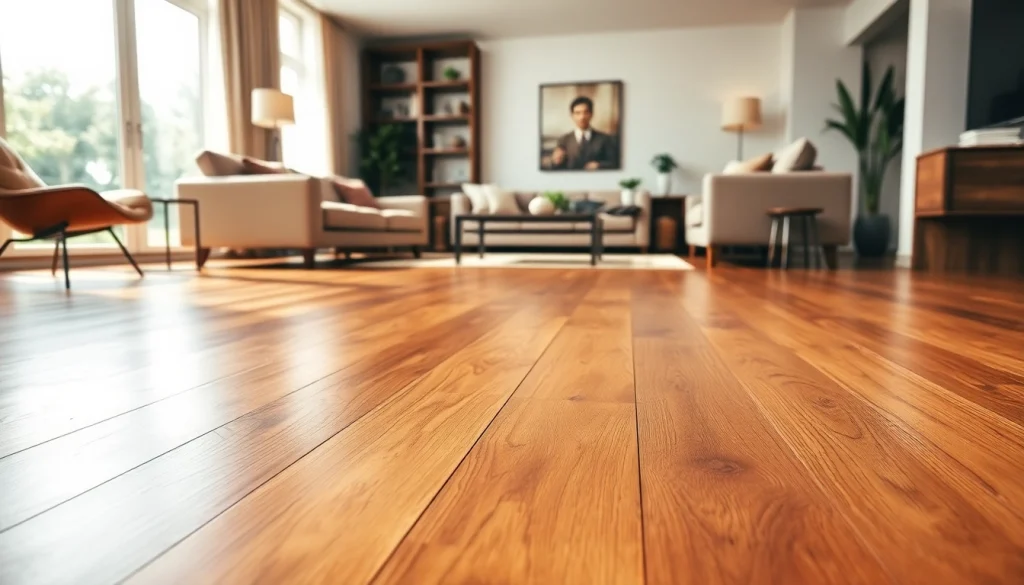
Understanding Different Types of Flooring
Choosing the right flooring can dramatically change the look, feel, and functionality of your home. With an array of materials available, understanding the distinctions between each type will guide you toward making an informed decision that best suits your needs. In this section, we’ll explore a range of flooring options, from traditional hardwood to modern luxury vinyl and tile flooring, highlighting their characteristics, benefits, and ideal uses.
Hardwood Flooring: Timeless Elegance
Hardwood flooring remains a favorite for homeowners due to its classic appeal and longevity. Available in various species such as oak, hickory, and maple, hardwood floors can add warmth and character to any room. They can last a lifetime with proper care, making them a worthwhile investment.
Benefits of Hardwood Flooring
- Durability: When properly maintained, hardwood floors can last for decades without losing their charm.
- Value Addition: Homes with hardwood flooring often see an increase in market value, appealing to potential buyers.
- Easy Maintenance: Regular sweeping and occasional refinishing will keep hardwood looking its best.
Ideal Spaces for Hardwood Flooring
Hardwood is well-suited for living rooms, dining areas, and bedrooms – anywhere you want a touch of elegance. However, it’s best to avoid using hardwood in moisture-prone areas like bathrooms and basements unless it has been treated specifically for such environments.
Luxury Vinyl: Affordable Versatility
Luxury vinyl flooring (LVF) has gained popularity in recent years for its affordability and versatility. Available in planks or tiles, LVF can mimic the look of hardwood, stone, or ceramic tile without the high price tag. It’s also water-resistant, making it an excellent choice for kitchens and bathrooms.
Benefits of Luxury Vinyl Flooring
- Cost-Effective: Luxury vinyl is often more affordable than traditional hardwood or tile options, making it accessible for more homeowners.
- Variety of Designs: With numerous patterns and styles, you can achieve the aesthetic you desire no matter your personal taste.
- Comfort: Vinyl is softer underfoot compared to other harder flooring options, making it comfortable for prolonged standing or walking.
Best Locations for Luxury Vinyl Flooring
Its water resistance makes luxury vinyl an excellent choice for bathrooms, kitchens, basements, and even high-traffic areas like hallways and entryways.
Tile Flooring: Durable Aesthetics
Tile flooring is prized for its durability and aesthetic versatility. Available in ceramics, porcelain, and natural stone, tiles are ideal for areas with high moisture regression and heavy foot traffic.
Advantages of Tile Flooring
- Water Resistance: Porcelain and ceramic tiles are generally impervious to moisture, making them perfect for bathrooms and kitchens.
- Design Options: Tiles come in various designs, colors, and sizes, allowing for creative layouts and designs.
- Temperature Retention: Tiles can retain coolness in hot weather, providing comfort during summer months.
Recommended Applications for Tile Flooring
Tile flooring is perfect for kitchens, bathrooms, and even outdoor spaces, providing both style and functionality.
Choosing the Right Flooring for Your Needs
With numerous flooring types available, selecting the best one involves careful consideration of your lifestyle, budget, and maintenance preferences. Here, we’ll guide you on how to navigate these factors effectively.
Assessing Your Lifestyle and Space
Before making a decision, evaluate your lifestyle and the specific characteristics of the area where you will install the flooring. Factors like your household size, presence of pets, and traffic levels are vital. For example, families with kids and pets may benefit from more durable, easy-to-clean options like luxury vinyl or tile.
Budget Considerations for Flooring
Your budget is crucial when choosing flooring. While hardwood can be expensive, luxury vinyl offers a cost-effective alternative that doesn’t compromise on appearance. Make sure to allocate funds for both materials and installation, and consider long-term costs like maintenance and durability to assess the overall value.
Long-term Maintenance of Flooring
Every flooring type has its maintenance requirements. Hardwood requires regular sweeping and occasional refinishing, while luxury vinyl needs simple cleaning to keep it looking fresh. Tile requires grouting and caulking upkeep. Assess the maintenance level you’re willing to commit to when making your decision.
Installation Best Practices for Flooring
Installing flooring correctly ensures its longevity and performance. Here are some best practices to consider for a successful installation.
Pre-installation Preparation Steps
Before installation, it’s essential to prepare your space adequately. Start by measuring the area to ensure correct flooring amounts. Make sure the subfloor is clean, dry, and free of debris. If using adhesive flooring, properly acclimate the materials to room temperature to prevent shifting after installation.
DIY vs Professional Installation
While DIY installation may save you money, it requires a good understanding of flooring installation principles. Professional services ensure a seamless finish, especially for complex flooring types such as hardwood or tile. Weighing your skills and the complexity of the installation is crucial in this decision.
Common Installation Pitfalls to Avoid
Several common pitfalls can arise during flooring installation, including improper acclimation, incorrect subfloor preparation, and rushing through measurements. Taking the time to do it right the first time can save you from costly mistakes and additional repairs down the line.
Trends in Flooring Design
The flooring industry continually evolves with trends reflecting consumer preferences in design, sustainability, and technology. Staying informed about current trends can help you make informed choices that are both stylish and functional.
Sustainable Flooring Options
A growing trend in flooring is the demand for sustainable materials. Options like bamboo, cork, and reclaimed wood offer eco-friendly alternatives while maintaining durability and aesthetic appeal. Choosing sourced materials can reduce your home’s carbon footprint and provide a unique look.
Color and Pattern Trends in Flooring
Bold colors and patterns are gaining popularity in flooring design. While natural finishes remain timeless, trends now lean toward vibrant, artistic designs that make a statement. Checkerboards and herringbones are also popular patterns that can change the dynamic of a space.
Smart Flooring Technology
Advancements in technology have led to innovations in flooring. Some products now come with built-in underfoot heating or noise reduction capabilities. High-tech options can contribute to energy savings and enhanced comfort, making them increasingly appealing to homeowners.
Frequently Asked Questions About Flooring
What is the best flooring for pets?
Consider options like tile or luxury vinyl for durability and easy cleaning; they resist scratches and stains from pet accidents.
How often should I clean my flooring?
Regular sweeping and occasional deep cleaning are recommended for maintaining its appearance and longevity, based on the flooring type.
Can I install flooring myself?
Yes, you can if you research proper installation techniques. However, consider your skill level and flooring complexity before proceeding.
What is the most cost-effective flooring option?
Luxury vinyl is often the most budget-friendly choice without sacrificing quality, making it suitable for various applications.
How do I maintain hardwood flooring?
Keep hardwood floors clean by regularly sweeping, using appropriate cleaners, and avoiding excess moisture for optimal durability.