
1. Understanding Refrigerator Basics
In the world of modern appliances, the refrigerator is indispensable. It’s not merely a cold box for storing your perishables; it embodies technological advancements that have redefined food storage and safety. Understanding the basics of a refrigerator can help you make informed choices that suit your lifestyle and kitchen layout.
1.1 What is a Refrigerator?
A refrigerator is an appliance designed for the preservation of food and beverages through cooling. The mechanism operates on the principle of removing heat, thus lowering the internal temperature to create an environment conducive to inhibiting bacterial growth and extending the shelf life of food products. Modern refrigerators can offer a range of features from adjustable shelving to advanced cooling technology.
1.2 Types of Refrigerators Explained
Choose the right refrigerator based on your needs, preferences, and space constraints. Some common types of refrigerators include:
- Top-Freezer Refrigerators: These models feature a freezer compartment above the refrigerator section, making them a classic choice for many households.
- Bottom-Freezer Refrigerators: This configuration places the freezer at the bottom for easier access to frequently-used items.
- Side-by-Side Refrigerators: With vertical halves for refrigeration and freezing, these models offer easy access to both sections and often come equipped with additional compartments for beverages and snacks.
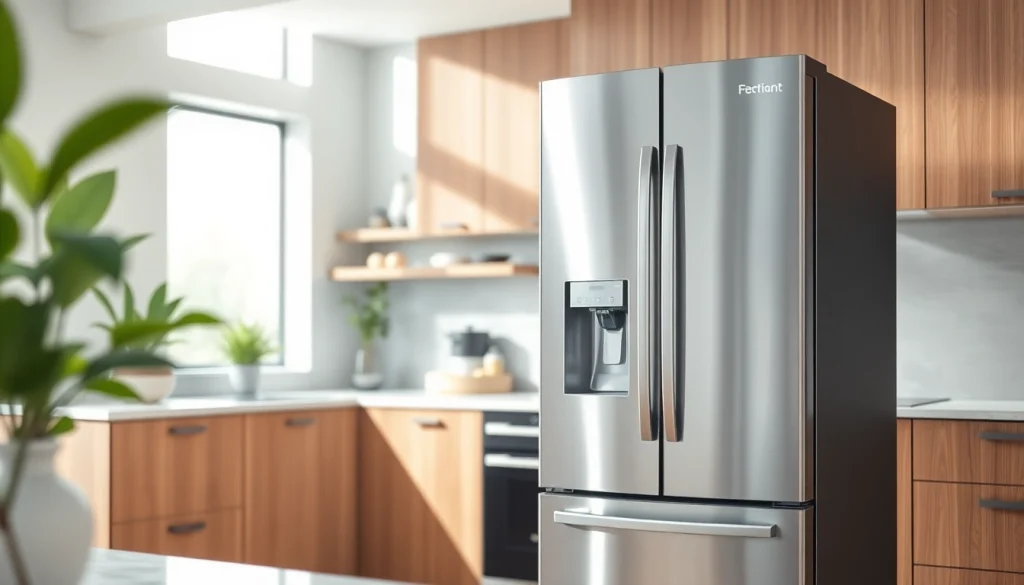
- French Door Refrigerators: Known for their stylish design, these refrigerators feature double doors for the fridge section and a pull-out drawer for the freezer, combining ample storage with a modern aesthetic.
1.3 Importance of Energy Efficiency
Energy-efficient refrigerators not only maintain your food at optimal temperatures but also minimize electricity bills and reduce environmental impact. Look for ENERGY STAR® ratings when shopping; these models typically use less energy without sacrificing performance. Transitioning to an energy-efficient model can lead to significant savings over the lifespan of the appliance.
2. Features to Look For in a Refrigerator
When shopping for a refrigerator, several features can enhance functionality and convenience. Understanding what to prioritize will help you select a unit that complements your cooking and lifestyle.
2.1 Size and Capacity Considerations
Your refrigerator should fit well within its designated space while providing ample storage for your household’s needs. Measure the width, depth, and height of the space, accounting for door swings and ventilation. Consider your family size; a smaller family may be comfortable with a smaller model with about 12-18 cubic feet, while larger households might need 20+ cubic feet.
2.2 Innovative Features and Technology
Modern refrigerators are equipped with an array of features that enhance usability and storage efficiency. Key features to consider include:
- Humidity-Controlled Crispers: These compartments keep vegetables fresh longer by regulating moisture levels.
- Smart Technology: Connectivity features can allow you to control temperatures and settings remotely, track expiration dates, and even create shopping lists.
- Ice and Water Dispensers: These built-in dispensers offer convenient access to chilled water and ice, promoting hydration without the hassle of manual filling.
2.3 Designing for Space and Aesthetics
Style matters in kitchen design. Choose a refrigerator that harmonizes with your kitchen’s aesthetic. Consider finishes like stainless steel for a sleek look or classic white for a traditional feel. Furthermore, ensure it complements the existing appliances without overwhelming the space. Factors like door configuration and handle styles also contribute to the overall visual appeal.
3. Maintenance Tips for Your Refrigerator
Proper maintenance can extend the life of your refrigerator and ensure it operates efficiently. Below are some fundamental tips for keeping your appliance in prime condition.
3.1 Easy Cleaning Hacks
Regular cleaning is essential for hygiene and efficiency. Employ these quick cleaning hacks:
- Use a mixture of baking soda and water for scrubbing spills and stains.
- Place an open box of baking soda inside the fridge to neutralize odors.
- Vacuum and clean the condenser coils every six months to enhance energy efficiency.
3.2 Inspecting Components Regularly
Periodic checks can prevent costly repairs. Look for:
- Sealed gaskets: Ensure the door gaskets are airtight to prevent temperature escalation.
- Drains: Regularly check the drainage pan and defrost drain to prevent blockages.
- Temperature settings: Monitor the internal temperature to ensure it stays within the recommended range (35°F to 38°F for the fridge, 0°F for the freezer).
3.3 Troubleshooting Common Issues
If your refrigerator exhibits strange noises, warmth, or leaks, identify the cause promptly:
- Check for obstructions in the fan.
- Adjust the temperature settings if the interior isn’t cool enough.
- Investigate any leaks for external water lines or defrost drain blockages.
4. Cost Factors When Buying a Refrigerator
Understanding the financial aspects of purchasing a refrigerator is crucial. It involves more than just the sticker price; consider initial costs, long-term savings, and warranties.
4.1 Budgeting for Initial Purchase
Initial costs vary widely depending on the type and features. Basic models range from around $500, while high-end refrigerators can exceed $3,000. Set a budget that aligns with your requirements while considering what features are essential for your lifestyle.
4.2 Long-term Energy Costs
While buying an energy-efficient refrigerator may cost more upfront, it usually results in lower energy bills over time. Calculate the expected yearly energy consumption and factor this into your total cost of ownership.
4.3 Warranty and Service Considerations
Warranties play a significant role in financial planning. Understand what is covered and for how long. A good warranty can save you from unexpected repair costs. Additionally, consider service availability; some brands offer better customer service options than others.
5. FAQs About Refrigerators
5.1 How long do refrigerators last?
The average lifespan of a refrigerator is about 10 to 15 years, depending on usage and maintenance. Regular upkeep can prolong its life significantly.
5.2 What are the signs of a failing refrigerator?
Signs of a failing refrigerator include inconsistent temperatures, unusual noises, leaks, and excessive frost build-up in the freezer compartment.
5.3 Can a refrigerator be moved easily?
Moving a refrigerator requires care; detach any water lines if equipped, ensure doors are secured, and utilize proper moving equipment to prevent damage.
5.4 How do I choose the right size refrigerator?
Measure your kitchen space, considering width, depth, and height. Calculate your household’s storage needs, generally estimating 4-6 cubic feet per person.
5.5 What are the best practices for loading a refrigerator?
Load heavier items on lower shelves, keep frequently used items at eye level, and ensure proper airflow around items. Leave space for cool air to circulate efficiently.