Understanding Industrial Chemicals Wholesale
Industrial chemicals are foundational components in various manufacturing processes, providing essential materials for countless products. They serve a spectrum of industries, including pharmaceuticals, agriculture, and polymers. Understanding the nuances of industrial chemicals wholesale is crucial for businesses looking to optimize their supply chains and operational efficiency. In this article, we delve into the definition of industrial chemicals, the importance of wholesale distribution, and identify key players engaging in this dynamic market.
What are Industrial Chemicals?
Industrial chemicals are raw materials or compounds used in the production of goods across diverse sectors. These chemicals can be classified into several categories, including basic chemicals, specialty chemicals, and fine chemicals. Basic chemicals, such as sulfuric acid and ammonia, form the building blocks for many products, while specialty chemicals are formulated for specific applications, like agrochemicals or surfactants. Fine chemicals, often used in pharmaceuticals, are produced in smaller quantities and require high precision. Understanding each category’s role helps companies determine the right materials for their processes.
Importance of Wholesale in Chemical Distribution
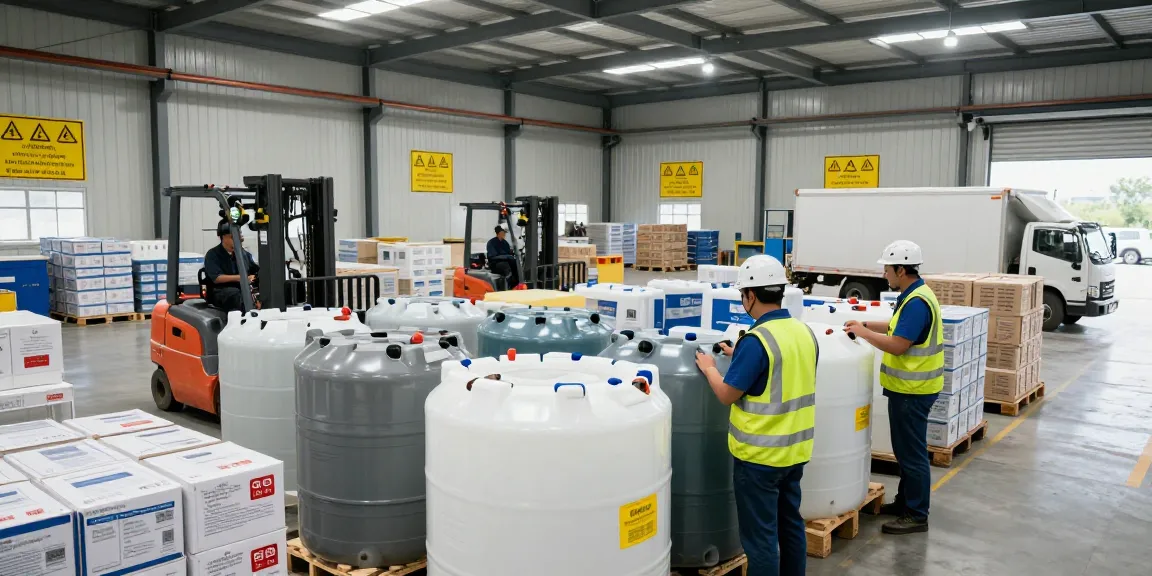
Wholesale distribution is a critical aspect of the industrial chemicals supply chain. It involves buying large quantities of chemicals from manufacturers and selling them to various end-users or retailers. This model allows businesses to obtain chemicals at a reduced price, facilitating lower production costs and increased profit margins. Furthermore, wholesalers often provide essential services such as inventory management, transportation, and compliance with regulatory standards, which is vital for companies that may lack the infrastructure to manage these aspects independently.
Key Players in the Industrial Chemicals Market
The industrial chemicals market is characterized by a mix of large multinational corporations and smaller, specialized firms. Major players include BASF, Dow Chemical, and DuPont, known for their vast product ranges and global reach. These companies leverage advanced technologies and sustainable practices to enhance their operations. In contrast, smaller companies may focus on niche markets and tailor their offerings to meet specific customer needs. Understanding the competitive landscape helps businesses identify potential partners and competitors within the market.
Essential Strategies for Sourcing Industrial Chemicals
Sourcing industrial chemicals effectively requires strategic planning and execution. Businesses need to identify reliable suppliers, negotiate favorable contracts, and ensure high-quality standards in their procurement processes. Each step can significantly influence operational efficiency and profitability.
Identifying Reliable Suppliers
Finding trustworthy suppliers is crucial to maintaining a steady supply of industrial chemicals. Organizations should evaluate potential suppliers based on their reputation, financial stability, and compliance with industry regulations. Additionally, visiting supplier facilities can provide insights into their operational capabilities and quality assurance processes. Building strong relationships with suppliers enhances collaboration and allows for better negotiation on pricing and terms.
Negotiating Long-Term Contracts
Establishing long-term contracts with chemical suppliers can lead to cost savings and stability in pricing. Such agreements also ensure that businesses have consistent access to essential materials, which is especially important in industries with fluctuating demand. Negotiations should focus on terms that provide flexibility for both parties while adhering to quality and safety standards.
Evaluating Quality Assurance Practices
Quality assurance is paramount in the industrial chemicals sector. Companies should implement stringent evaluation processes both for their suppliers and the chemicals themselves to ensure compliance with safety regulations. This could involve regular audits, testing for purity, and ensuring that suppliers hold necessary certifications. A robust quality assurance framework mitigates risks and enhances product reliability, ultimately leading to higher customer satisfaction.
Regulatory Compliance in Industrial Chemicals
Understanding the regulatory landscape is vital for businesses operating within the industrial chemicals sector. Compliance not only minimizes legal liabilities but also enhances product safety and environmental protection. Organizations must stay informed about the local and international regulations that govern their operations.
Understanding Safety and Environmental Regulations
Safety and environmental regulations entail a number of guidelines intended to protect public health and the environment. Firms must adhere to protocols for chemical handling, storage, and disposal as defined by regulatory bodies like OSHA and EPA. Staying compliant can prevent costly penalties and improve the company’s public image.
Labeling and Packaging Requirements
Proper labeling and packaging of industrial chemicals is crucial for safety and compliance. Labels must contain essential information such as hazard identification, handling instructions, and emergency response measures. Companies must also ensure that packaging materials are compliant with legal standards to prevent leaks or spills during transportation.
Training for Compliance and Safety Standards
Comprehensive training programs for employees are essential for maintaining a culture of safety and compliance. Organizations should conduct regular training sessions focusing on handling chemicals, understanding regulations, and implementing safety measures. This not only fosters a safe working environment but also minimizes the risk of accidents and regulatory violations.
Market Trends Impacting Industrial Chemicals Wholesale
The industrial chemicals market is continuously evolving. Staying updated on current trends helps businesses adapt their strategies and capitalize on new opportunities.
Emerging Technologies in Chemical Manufacturing
Innovative technologies like automation, AI, and green chemistry are reshaping the manufacturing process. Automation enhances efficiency by reducing labor costs, while AI can optimize supply chain logistics and inventory management. Green chemistry aims to minimize environmental impact and improve sustainability in chemical production.
Shifts in Global Supply and Demand
Global events significantly influence the supply and demand of industrial chemicals. Economic shifts, geopolitical tensions, and natural disasters can disrupt supply chains, leading to increased prices and shortages. Companies must build resilient supply chains to adapt to these fluctuations and ensure consistent product availability.
Sustainability Practices in the Industry
With increasing pressure on corporations to adopt sustainable practices, the chemical industry is moving towards eco-friendliness. Practices such as recycling, waste reduction, and sustainably sourced materials are becoming the norm. Companies that invest in sustainable practices may not only comply with regulations but also attract environmentally conscious customers.
Future of Industrial Chemicals Wholesale in 2026
As we look towards 2026, the landscape of industrial chemicals wholesale is expected to undergo significant transformations driven by innovation and market demands.
Predicted Innovations and Developments
Future innovations will likely focus on enhancing product performance and reducing environmental footprints. Developments in biochemicals and renewable resources are expected to play a crucial role in this transformation, helping companies meet the growing demand for sustainable products without compromising efficacy.
Preparing for Market Changes
Businesses must be proactive in preparing for potential market changes by adopting flexible business models and investing in technology. This adaptability will be key to navigating economic fluctuations, changing regulations, and evolving consumer preferences.
Building Resilience in Supply Chains
Building resilience in supply chains involves diversifying supplier networks and creating contingency plans to mitigate risks. Companies should evaluate their supply chains regularly, considering factors such as geographical risks and supplier reliability. A robust supply chain strategy ensures business continuity even in the face of challenges.
What are the benefits of buying industrial chemicals wholesale?
Purchasing industrial chemicals in bulk leads to cost savings, improved supply chain efficiency, and better pricing negotiations. It allows companies to maintain inventory levels that support uninterrupted production, ensuring they can meet customer demands promptly.
How to ensure quality when sourcing chemicals in bulk?
Quality assurance can be ensured through rigorous supplier evaluations, regular audits, and maintaining clear communication regarding quality standards. Companies should also consider establishing quality benchmarks that suppliers must meet to remain competitive.
What regulations should I be aware of in the chemical industry?
Awareness of OSHA standards, environmental regulations from the EPA, and international guidelines such as REACH is crucial for compliance. Keeping abreast of regulatory changes helps businesses avoid penalties and ensure safe operations.
What are the current trends in the industrial chemicals market?
Current trends include a strong shift toward sustainability, adoption of innovative technologies, and fluctuations in global supply chains. Companies should stay informed and agile to adapt to these trends effectively.
How can companies prepare for future changes in the chemical industry?
Preparation for the future involves investing in technology, diversifying product lines, and strengthening relationships with suppliers. Continuous market research will also help companies anticipate changes and align their business strategies accordingly.